
Introduction
The global job market is undergoing one of the most significant transformations in history. Driven by technological innovation, automation, digitalization, and globalization, the skills required to succeed in today’s workforce are evolving at an unprecedented pace. Traditional degrees and static knowledge are no longer sufficient to sustain long-term career growth. Instead, employers prioritize practical expertise, adaptability, and continuous learning.
In-demand skills analysis refers to identifying the competencies that organizations actively seek when hiring and promoting talent. These skills reflect current industry needs, emerging technologies, and future workforce trends. For students, understanding skill demand helps in selecting the right educational paths. For job seekers, it enhances employability. For working professionals, it ensures career longevity and advancement.
As industries compete in innovation driven economies, the workforce must evolve alongside them. The professionals who invest in learning high-value skills position themselves for better salaries, leadership opportunities, and global career mobility.
This comprehensive guide explores the most in-demand skills across industries, emerging future capabilities, sector wise demand trends, and strategies individuals can use to stay competitive in the evolving employment landscape.
Understanding In-Demand Skills
In-demand skills are competencies that employers urgently need due to workforce shortages, technological advancements, or industry expansion. These skills often command premium salaries and offer strong job security because organizations struggle to find qualified professionals.
Demand for skills is influenced by automation, digital transformation, consumer behavior changes, and economic development. As industries innovate, new roles emerge while outdated functions decline. Understanding this shift helps professionals stay relevant.
Why Skills Matter More Than Degrees
Employers increasingly value what candidates can do rather than what they studied. Skill based hiring focuses on practical capabilities, certifications, portfolios, and work experience.
This shift is visible in technology, marketing, finance, and creative industries where demonstrable expertise outweighs academic qualifications. Skills validate employability in real world environments.
Categories of In-Demand Skills
In-demand skills can be grouped into several broad categories including technical skills, digital skills, soft skills, analytical skills, leadership skills, and industry specific expertise. A balanced skill portfolio ensures long term career resilience.
Professionals who combine technical knowledge with interpersonal effectiveness become highly valuable assets to organizations.
Technical Skills in High Demand
Technical skills remain the backbone of modern workforce demand. As businesses digitize operations, they require professionals who can build, maintain, and secure digital infrastructure.
Roles in software engineering, IT infrastructure, cybersecurity, and automation dominate hiring markets worldwide.
Software Development Skills
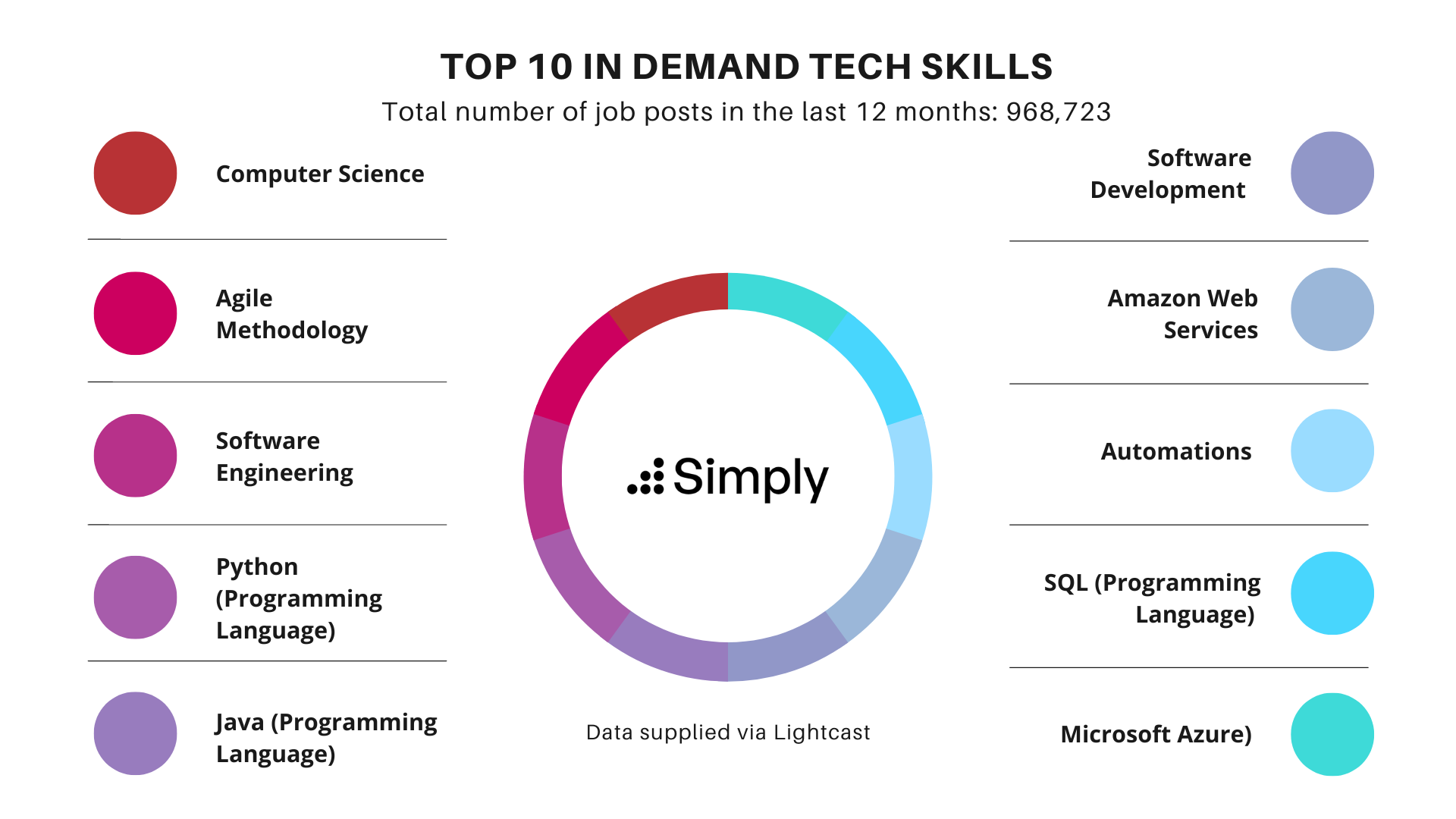
Programming remains one of the most valuable technical competencies. Languages such as Python, JavaScript, Java, C++, and Go power modern applications, websites, and enterprise systems.
Full stack developers, mobile app engineers, and DevOps professionals are especially sought after due to their ability to manage end-to-end development cycles.
Data Science & Analytics
Data has become the new oil of the digital economy. Organizations rely on data to guide strategy, optimize performance, and predict consumer behavior.
In-demand skills include data visualization, SQL, Python analytics libraries, machine learning algorithms, and statistical modeling. Data professionals help businesses make evidence based decisions.
Artificial Intelligence & Machine Learning
AI and machine learning are transforming industries from healthcare to finance. Skills in neural networks, natural language processing, deep learning, and computer vision are highly valued.
AI engineers develop intelligent systems that automate processes, enhance user experiences, and improve operational efficiency.
Cybersecurity Expertise
With rising cyber threats, cybersecurity has become mission critical. Organizations seek professionals skilled in ethical hacking, network defense, penetration testing, and compliance frameworks.
Cybersecurity analysts protect sensitive data and ensure digital trust.
Cloud Computing Skills
Cloud platforms such as AWS, Microsoft Azure, and Google Cloud power global IT systems. Skills in cloud architecture, deployment, and security are in high demand.
Cloud engineers enable remote work, digital services, and scalable infrastructure.
Digital Marketing Skills
As businesses shift online, digital marketing skills have surged in demand. Companies require experts who can attract, engage, and convert online audiences.
Key skills include SEO, search advertising, social media strategy, email marketing, and conversion optimization.
Search Engine Optimization
SEO specialists improve website visibility on search engines. Skills include keyword research, technical optimization, link building, and analytics interpretation.
SEO drives organic traffic and long term brand growth.
Social Media Marketing
Brands depend on social platforms for engagement. Social media managers create campaigns, analyze audience insights, and manage brand voice across platforms.
Content scheduling and analytics tracking are essential skills.
Content Creation & Copywriting
Content fuels digital marketing ecosystems. Skilled writers produce blogs, ad copy, scripts, and brand storytelling content that influences consumer decisions.
Creative communication drives brand authority.
Graphic Design & Visual Skills
Visual communication is essential in branding and marketing. Designers skilled in Adobe Creative Suite, Canva, Figma, and motion graphics are highly employable.
Design impacts customer perception and engagement.
UI UX Design
User experience designers optimize digital product usability. Skills include wireframing, prototyping, usability testing, and interface psychology.
UX design enhances customer satisfaction and retention.
Video Production & Editing
Video dominates online content consumption. Skills in editing, animation, storytelling, and production are in strong demand across marketing and media sectors.
Video creators play a central role in digital engagement.
Soft Skills in Demand
Soft skills complement technical expertise. Employers prioritize candidates who communicate effectively, collaborate well, and adapt to change.
Human centric abilities remain irreplaceable despite automation.
Communication Skills
Clear verbal and written communication improves teamwork, leadership, and client relations. Presentation skills also enhance professional visibility.
Communication influences workplace success.
Leadership & Management Skills
Leadership capabilities prepare professionals for managerial roles. Skills include strategic planning, delegation, conflict resolution, and team motivation.
Strong leaders drive organizational performance.
Emotional Intelligence
Emotional intelligence improves interpersonal relationships. Professionals who demonstrate empathy, self awareness, and social skills perform better in collaborative environments.
EQ is critical for leadership success.
Adaptability & Learning Agility
Rapid technological change requires continuous learning. Professionals must quickly acquire new tools and methodologies.
Adaptability ensures career sustainability.
Problem Solving & Critical Thinking
Organizations value employees who can analyze complex challenges and develop innovative solutions.
Critical thinking drives operational and strategic excellence.
Project Management Skills
Project managers coordinate resources, timelines, and deliverables. Agile, Scrum, and PMP methodologies are widely demanded.
Project leadership ensures execution efficiency.
Financial & Business Skills
Financial literacy, budgeting, forecasting, and ROI analysis are essential in corporate decision making roles.
Business acumen enhances strategic impact.
Sales & Negotiation Skills
Sales professionals generate revenue through persuasion, relationship building, and deal structuring skills.
Negotiation expertise drives profitability.
HR & Talent Management Skills
HR professionals manage hiring, compliance, engagement, and performance systems. Talent management skills shape workplace culture and retention.
People management is business critical.
Remote Work Skills
Remote work requires digital communication, time management, and self discipline skills.
Virtual collaboration tools proficiency expands job opportunities.
Entrepreneurial Skills
Entrepreneurs require innovation, risk assessment, marketing, and financial planning abilities.
Startup ecosystems reward multi skill professionals.
Green & Sustainability Skills
Sustainability careers are growing rapidly. Skills in renewable energy, ESG reporting, and environmental compliance are increasingly valuable.
Green jobs support global climate goals.
Healthcare & Life Sciences Skills
Medical technology, telemedicine, biotech research, and healthcare analytics skills are in rising demand.
Healthcare innovation drives employment growth.
Education & Training Skills
Online teaching, curriculum design, and instructional technology skills support digital learning expansion.
Education professionals adapt to virtual classrooms.
Future Skills Forecast
Emerging future skills include robotics programming, blockchain development, quantum computing, and augmented reality design.
Technology convergence will define next generation careers.
Industry Wise Skill Demand
Technology sectors prioritize coding and AI. Finance values fintech and compliance skills. Healthcare demands clinical and digital expertise. Marketing focuses on analytics and creativity.
Industry alignment guides upskilling priorities.
Certifications That Increase Employability
Professional certifications validate expertise. Examples include cloud certifications, PMP, cybersecurity licenses, and digital marketing credentials.
Credentials enhance hiring competitiveness.
Skill Gap Challenges
Many graduates lack job ready skills due to outdated curricula. Employers face hiring shortages.
Upskilling bridges workforce gaps.
Strategies to Build In-Demand Skills
Enroll in online courses, complete certifications, gain internship experience, and build project portfolios.
Practical learning accelerates employability.
Creating a Skill Development Roadmap
Identify career goals, analyze skill gaps, choose learning platforms, and set timelines.
Structured planning ensures measurable progress.
Technology’s Role in Skill Development
AI learning platforms, simulations, and gamified training tools enhance engagement and retention.
Technology democratizes education access.
Measuring Skill ROI
Career growth, salary increases, promotion rates, and job mobility measure skill development returns.
ROI validates learning investments.
Lifelong Learning Mindset
Continuous learning is essential as industries evolve. Professionals must reinvent themselves regularly.
Learning agility sustains career relevance.
Conclusion
In-demand skills analysis is a strategic tool for navigating the modern workforce. As industries transform through digital innovation and global competition, professionals who invest in high value skills gain significant advantages.
From AI and cloud computing to leadership and communication, the most successful individuals combine technical expertise with human centric capabilities. Continuous learning, certifications, and practical application ensure employability in competitive markets.
The future of work belongs to adaptable, skilled, and innovation driven professionals. By aligning personal development with industry demand, individuals can secure rewarding careers, financial stability, and long term professional success in an ever evolving global economy.