
Introduction
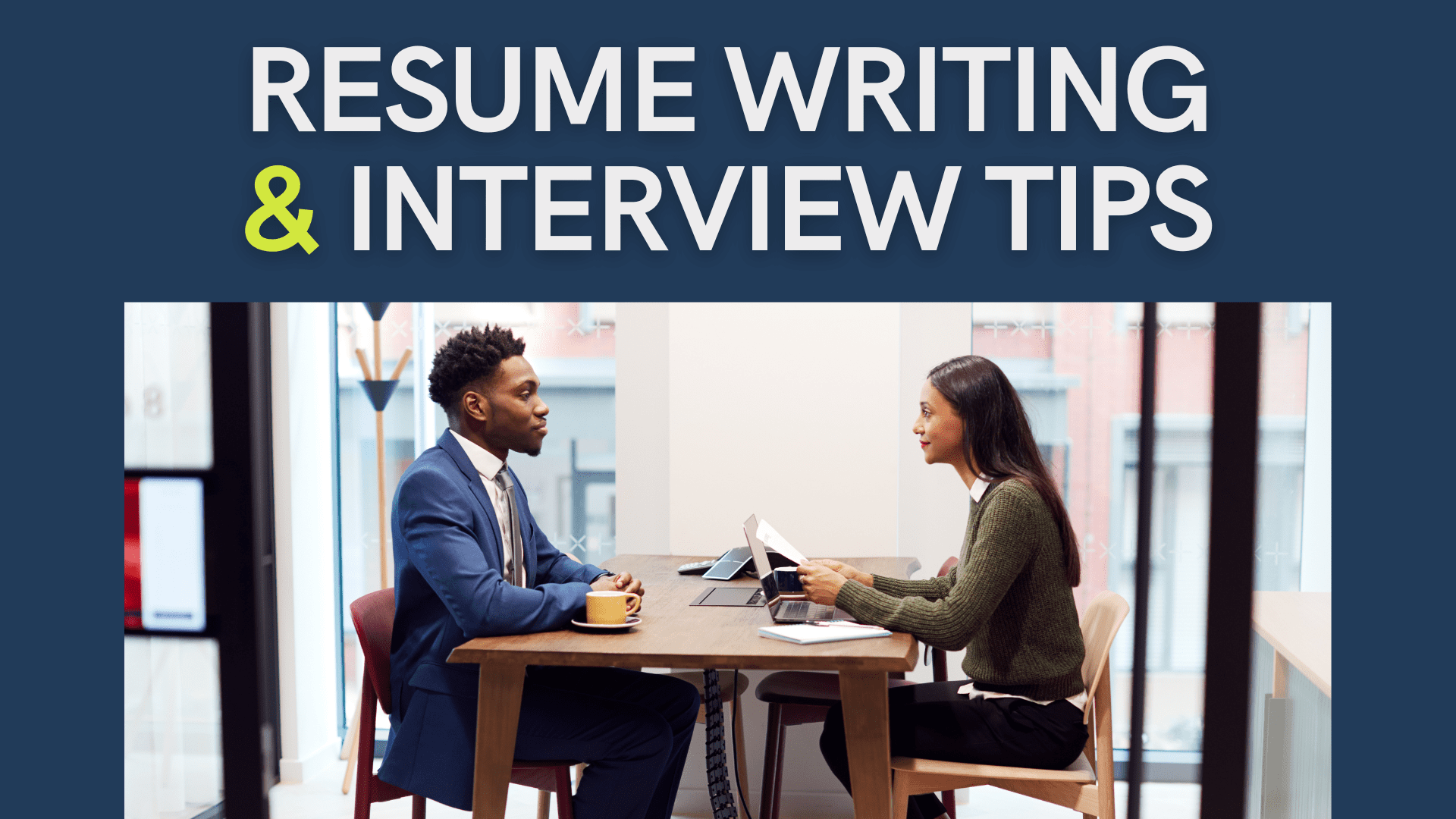
In the journey of career development, resumes and interviews are two of the most powerful tools that determine professional success. No matter how skilled, educated, or experienced you are, your career opportunities depend greatly on how effectively you present yourself on paper and in person.
A resume is your first professional impression. It is your marketing document that communicates your value to employers. An interview, on the other hand, is your chance to transform that impression into a job offer. Together, they form the gateway to employment, promotions, and long term career growth.
In today’s competitive job market, recruiters often receive hundreds of applications for a single role. They spend only a few seconds scanning each resume before deciding whether to shortlist a candidate. Similarly, interviews are designed to evaluate not only your knowledge but also your communication skills, confidence, adaptability, and cultural fit.
This comprehensive guide provides detailed resume and interview tips to help job seekers stand out, succeed in hiring processes, and accelerate career development.
Importance of Resumes in Career Development
A resume is more than a summary of your qualifications. It is your professional brand representation. It highlights your experience, achievements, skills, and career potential.
Recruiters use resumes to shortlist candidates for interviews. A strong resume increases interview calls, while a weak one leads to rejection even if you are qualified.
Resumes also influence salary negotiations, promotions, and leadership opportunities. Maintaining an updated and impactful resume is essential for long term career growth.
Types of Resumes
Choosing the right resume format improves presentation and relevance.
Chronological resumes list work experience in reverse time order and are ideal for experienced professionals with consistent employment history.
Functional resumes focus on skills rather than experience. They are suitable for freshers, freelancers, or career switchers.
Combination resumes blend skills and experience, making them useful for mid career professionals.
Targeted resumes are customized for specific job roles and offer the highest success rates in modern recruitment.
Key Sections of a Professional Resume
Every resume must include essential sections that present information clearly and professionally.
Contact information should include your full name, phone number, professional email, location, and LinkedIn profile. Avoid unnecessary personal details.
A professional summary provides a snapshot of your experience, achievements, and career goals. It should be concise yet impactful.
The skills section highlights both technical and soft skills relevant to the job role. Use keywords aligned with the job description.
Work experience is the most critical section. Include job titles, company names, employment duration, responsibilities, and measurable achievements.
Education details should include degrees, institutions, and graduation years. Certifications and professional training enhance credibility.
Projects and portfolios are essential for technical and creative roles. Showcase real work and outcomes.
Achievements and awards demonstrate excellence and recognition.
Resume Writing Best Practices
Use action verbs such as led, developed, implemented, and achieved to convey impact.
Quantify achievements whenever possible. For example, mention percentage growth, revenue impact, or productivity improvements.
Maintain clean formatting with consistent fonts and bullet points.
Keep resumes concise, ideally one to two pages.
Customize resumes for each job application rather than sending generic versions.
Applicant Tracking System Optimization
Most companies use Applicant Tracking Systems to filter resumes before human review.
To optimize resumes for ATS screening, include job specific keywords, standard headings, and simple formatting.
Avoid images, graphics, and complex tables that ATS software may not read correctly.
Submitting ATS friendly resumes significantly increases shortlist chances.
Common Resume Mistakes
Spelling and grammar errors create negative impressions.
Overly lengthy resumes reduce readability.
Irrelevant experience distracts recruiters.
Generic summaries fail to capture attention.
False information can damage credibility permanently.
Avoiding these mistakes improves hiring success.
Importance of Cover Letters
Cover letters complement resumes by explaining motivation and cultural fit.
They allow candidates to highlight key achievements and express enthusiasm for the role.
Well written cover letters increase interview selection probability.
Role of Interviews in Career Development
If resumes open doors, interviews secure opportunities.
Interviews evaluate communication skills, confidence, technical expertise, leadership potential, and personality traits.
Strong interview performance leads to better roles, higher salaries, and faster promotions.
Types of Interviews
HR interviews assess personality, background, and cultural compatibility.
Technical interviews evaluate domain knowledge and practical expertise.
Behavioral interviews focus on past experiences and situational responses.
Panel interviews involve multiple interviewers evaluating candidates simultaneously.
Virtual interviews are conducted through video conferencing platforms and are increasingly common.
Interview Preparation Strategies
Preparation begins with researching the company’s mission, services, leadership, and recent developments.
Understanding the job description helps align your responses with role expectations.
Practice common interview questions to improve fluency and confidence.
Prepare examples demonstrating achievements and problem solving capabilities.
Common Interview Questions
Interviewers often ask questions such as tell me about yourself, why should we hire you, what are your strengths and weaknesses, and where do you see yourself in five years.
Structured preparation ensures impactful answers.
Behavioral Interview Techniques
Behavioral interviews assess how candidates handled past situations.
Using structured storytelling methods helps present clear and logical responses.
Describe the situation, your responsibility, the actions you took, and the results achieved.
This approach demonstrates problem solving and accountability.
Technical Interview Preparation
Review core subject concepts thoroughly.
Practice case studies and real world problem solving.
Prepare to explain past projects in detail.
Demonstrating applied knowledge is more impactful than theoretical explanations.
Virtual Interview Tips
Ensure stable internet connectivity and test audio and video equipment beforehand.
Choose a quiet, well lit environment.
Maintain eye contact through the camera and dress professionally.
Virtual etiquette reflects professionalism.
Body Language in Interviews
Non verbal communication plays a significant role.
Maintain eye contact, smile naturally, and sit with straight posture.
Avoid fidgeting, crossed arms, or distracted behavior.
Positive body language reinforces confidence.
Dressing for Interviews
Professional attire creates strong first impressions.
Choose formal clothing aligned with industry standards.
Well groomed appearance reflects seriousness and respect for the opportunity.
Interview Mistakes to Avoid
Arriving late damages credibility.
Speaking negatively about previous employers signals poor professionalism.
Lack of preparation shows disinterest.
Overconfidence may appear arrogant.
Avoid interrupting interviewers.
Professional conduct is evaluated throughout the process.
Asking Questions in Interviews
Candidates should ask thoughtful questions about role expectations, growth opportunities, and organizational culture.
This demonstrates genuine interest and long term commitment.
Salary Negotiation Tips
Research market salary benchmarks before interviews.
Avoid discussing compensation too early.
Highlight your value through achievements and skills.
Negotiate respectfully and confidently.
Post Interview Follow Up
Sending thank you emails within twenty four hours reinforces professionalism.
Express gratitude, reiterate interest, and reference key discussion points.
Follow ups keep you memorable.
Resume & Interview Tips for Freshers
Fresh graduates should highlight academic projects, internships, and certifications.
Focus on learning attitude and adaptability.
Practice mock interviews to build confidence.
Employers value potential alongside knowledge.
Tips for Experienced Professionals
Highlight leadership achievements, revenue contributions, and strategic initiatives.
Demonstrate decision making capabilities.
Prepare to discuss industry insights and future trends.
Experience must reflect measurable business impact.
Career Change Resume & Interview Tips
Emphasize transferable skills and certifications.
Explain transition motivation clearly.
Showcase commitment to learning the new field.
Narrative clarity builds recruiter confidence.
Personal Branding for Career Growth
Maintain professional networking profiles showcasing achievements and expertise.
Publish articles, participate in webinars, and share industry insights.
Recruiters often research candidates online before hiring.
Role of Mock Interviews
Mock sessions simulate real interview environments.
They help refine answers, improve body language, and reduce anxiety.
Feedback from mentors or coaches enhances performance.
Psychological Preparation
Interviews can be stressful.
Practice relaxation techniques, maintain positive visualization, and ensure adequate rest before interviews.
Mental readiness improves communication and confidence.
Industry Specific Resume & Interview Strategies
IT candidates should highlight tech stacks, coding projects, and certifications.
Marketing professionals should present campaign metrics and ROI impact.
Finance candidates should emphasize analytical expertise and compliance knowledge.
Healthcare professionals should focus on certifications and patient care experience.
Future Hiring Trends
AI driven resume screening is increasing.
Video resumes and digital portfolios are gaining importance.
Skill based hiring is replacing degree centric evaluation.
Remote interviews are becoming standard.
Candidates must adapt to evolving recruitment technologies.
Measuring Resume & Interview Success
Track interview call frequency, shortlisting rates, and job offer conversions.
Continuous improvement ensures better outcomes.
Continuous Improvement Strategies
Update resumes regularly.
Add new certifications and achievements.
Practice interviews consistently.
Seek feedback from recruiters and mentors.
Career development requires ongoing refinement.
Conclusion
Resumes and interviews are the twin pillars of career success. They determine not only your first job but also promotions, leadership opportunities, and long term professional growth.
A powerful resume markets your value effectively, while strong interview skills convert opportunities into achievements. Mastering both requires preparation, practice, and continuous learning.
In today’s competitive job market, candidates who invest in professional presentation, communication excellence, and personal branding stand out. Whether you are a fresher, experienced professional, or career switcher, refining your resume and interview approach can transform your career trajectory.
Opportunities do not depend only on what you know but on how effectively you present what you know. Invest in building strong resumes and mastering interviews, and you will unlock doors to sustainable career success.